

In a self-consumption system, the panels produce electricity during the day and the building uses it directly. Only what is not consumed is fed into the grid, and at night, or when there is no sun, the building draws from the grid again.
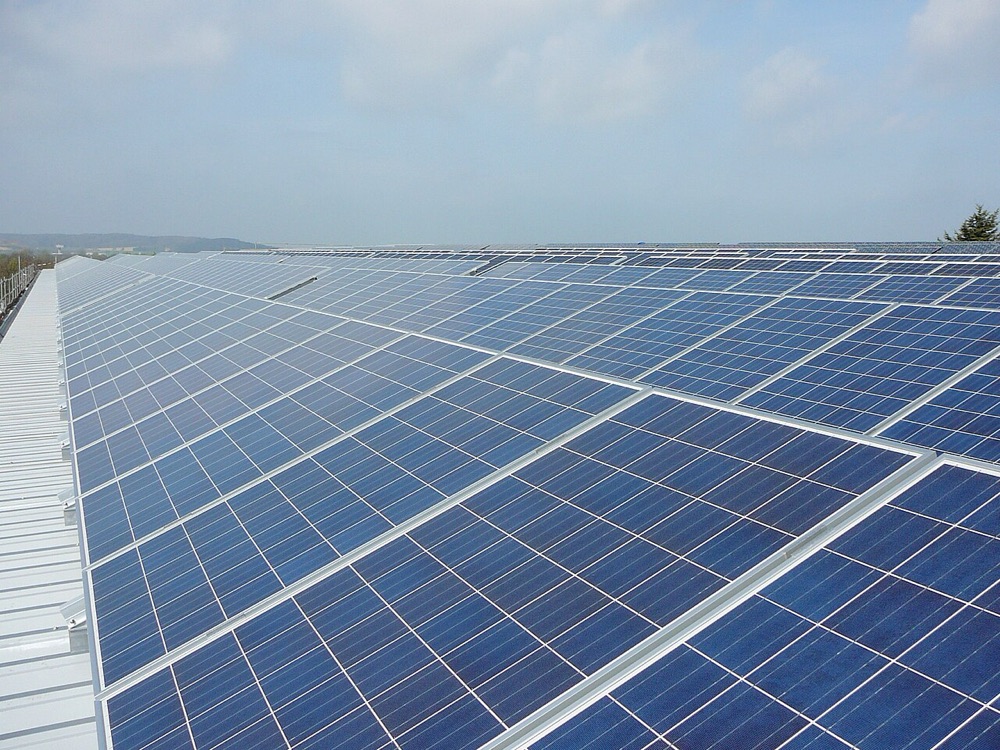
Photo: ChristofferRiemer / Wikimedia Commons / CC BY 3.0 (image resized) · Source · CC BY 3.0
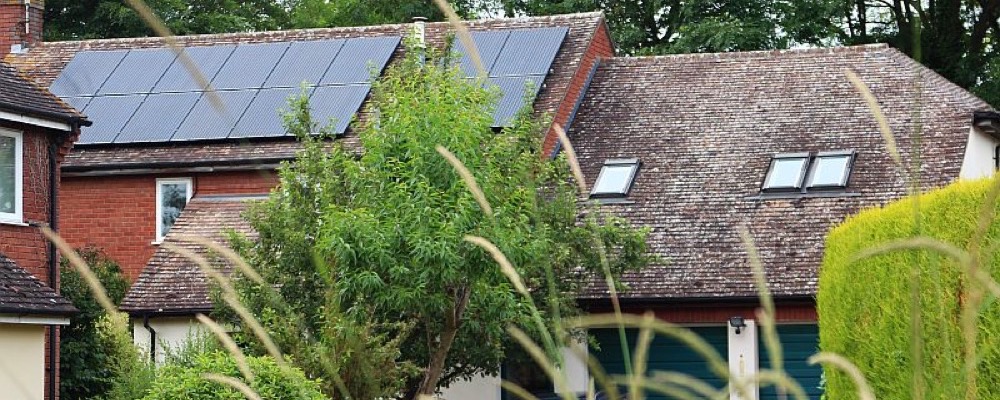
Photo: Andy / Andrew Fogg / Wikimedia Commons / CC BY 2.0 (image resized and cropped) · Source · CC BY 2.0
Swipe to see the full diagram →
They convert sunlight into electricity (direct current). They produce most around midday.
Converts direct current to alternating current, the kind the home uses, and manages the connection to the grid.
The home uses what the panels produce first. The more you use during the day, the more you benefit.
The surplus is fed into the grid and, at night or when there is no sun, the home draws from it again.
Stores the day's surplus for use in the late afternoon and at night, increasing self-consumption.
What determines how much you use
- When you consume: the more you consume during the day, the more of your own energy you use.
- The orientation and tilt of the panels, and the absence of shade.
- The size of the system relative to consumption: one that is too large produces surplus that is worth little.
- The battery, which stores the surplus for the evening and night.
Residential and commercial
| Residential | Commercial | |
|---|---|---|
| Consumption pattern | Higher in the evening and at weekends | Concentrated in the daytime, during opening hours |
| Self-use | Improves with a battery or with equipment scheduled for the daytime, such as a heat pump | Usually high, because consumption coincides with the sun |
| Take care | Size it without overdoing it | Check the available power and the roof |
Licensing and maintenance
Self-consumption is regulated, and the registration or licensing procedure depends on the installed capacity. We handle the process. The panels need little maintenance: periodic cleaning, a check of the fixings and monitoring of production.
Do the panels work on cloudy days?
Yes, but they produce less. Annual production depends on the climate of each island, and on orientation and tilt.
What happens if the grid fails?
For safety, a grid-connected system switches off when the grid fails. Only with a battery and a suitably equipped inverter is it possible to keep part of the building running.